Welcome to our monthly PNHF newsletter!
February has been a busy month at the Phalaborwa Natural Heritage Foundation (PNHF).
From educating tomorrow’s conservation champions to tackling the urgent issue of snare poaching, this month’s activities showed us just how connected all our efforts are.
You can read the Full Newsletter here or read below for a quick look at our highlights and learn how you can help preserve South Africa’s magnificent wildlife.
1. Environmental Education: Inspiring Future Conservationists 🌱
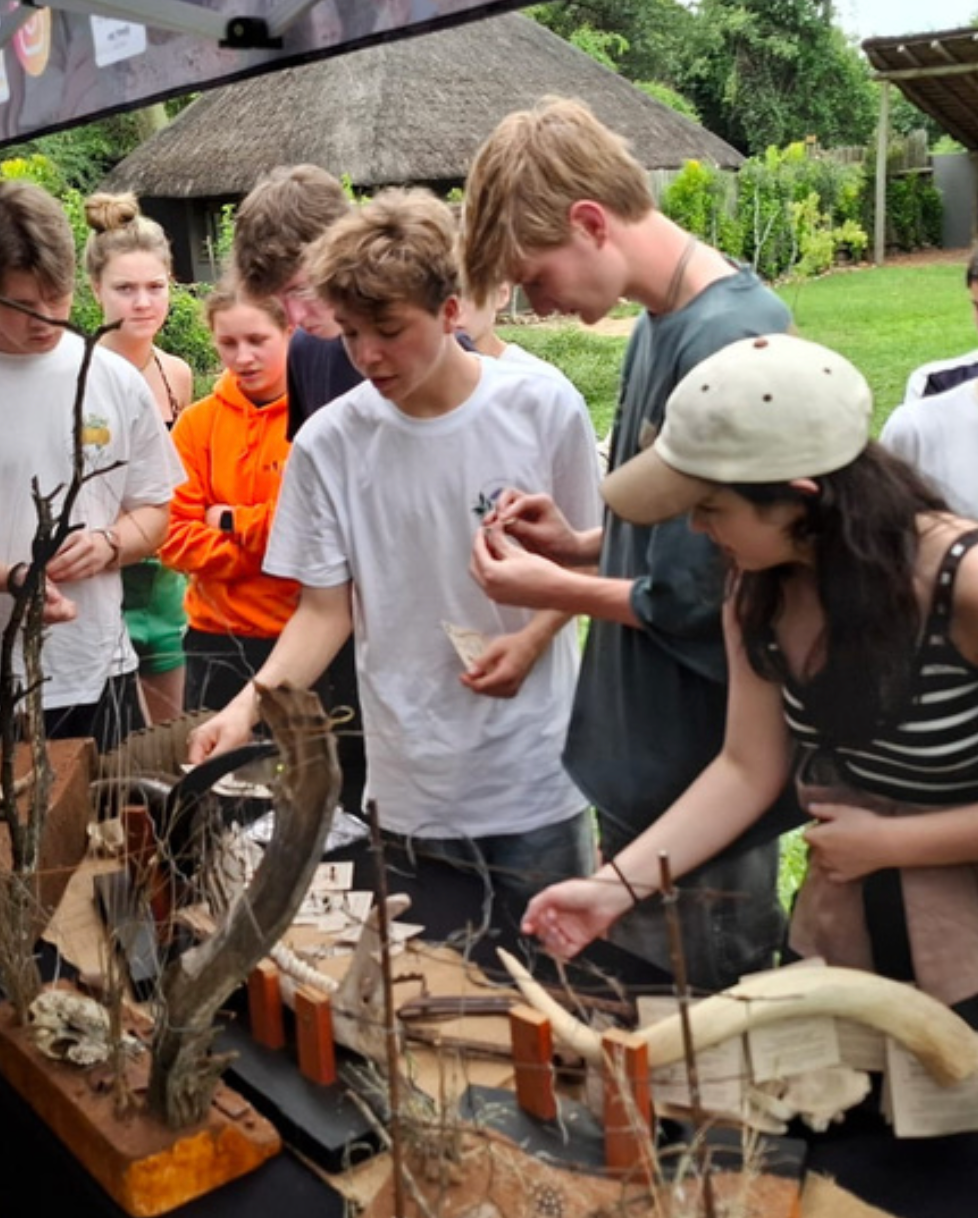
Educating young people is central to PNHF’s mission. Over the last four years, we’ve reached more than 300 students through:
- Snare Poaching Workshops 🪢: An introduction to the dangers of snare traps and the critical role of anti-poaching initiatives.
- Snake Education Sessions 🐍: Hands-on learning about snake biology, safety around snakes, and their importance in local ecosystems.
These interactive experiences plant the seeds for future scientists, law enforcers, and conservationists—ensuring tomorrow’s leaders have a deep respect for wildlife and our planet.
2. The Snare Poaching Crisis in South Africa 🚨
Snare poaching—illegal traps made of wire or rope—remains a massive threat to our wildlife. Here’s what our February newsletter uncovered:
-
Scale of the Problem:
- More than 10,000 snares removed from Kruger National Park during 2024.
- PNHF alone cleared 4,006 snares over the same period.
-
Ecological Impact:
- Large mammals like elephants, rhinos, and lions frequently fall victim to snares.
- Endangered birds—such as vultures—are also at serious risk.
-
Combating Snare Poaching:
- Increased Patrols & Surveillance 🚶♂️: Rangers and volunteers remove snares and track poacher activity.
- Community Engagement 🤝: Education programs and alternative livelihoods help locals avoid reliance on illegal hunting.
- Technological Solutions 📡: Drones, infrared cameras, and GPS trackers bolster anti-poaching efforts.
- Stronger Legislation & Enforcement ⚖️: South Africa’s laws are strict, but more consistent enforcement is needed.
- Wildlife Rescue & Rehabilitation 🏥: Injured animals receive urgent medical care and, when possible, are released back into the wild.
Together, these actions help protect South Africa’s biodiversity and support communities that rely on eco-tourism.
3. February 2025 Key Statistics 📊
- 359 snares removed
- 83.13 kilometers patrolled
- 0 animals rescued
No new rescues were required this month, but each snare removed is a step closer to a safer habitat for our wildlife.
Looking Ahead: March 2025 Environmental Days 📅
Mark these important March dates:
- 3 March – World Wildlife Day
- 6 March – World Energy Efficiency Day
- 14 March – International Day of Action for Rivers
- 18 March – Global Recycling Day
- 20 March – World Frog Day 🐸
- 22 March – World Water Day & Earth Hour 🌍
- 20–26 March – National Water Week
Observances like these highlight the vital roles different species and natural resources play in our environment—and why conservation matters worldwide.
How You Can Make a Difference 💚
1. Volunteer 🙋
-
- Be part of our Voluntourism program and experience hands-on conservation.
- Download the Volunteer Info Pack
2. Donate ❤️
-
- Your generosity directly supports rescues, patrols, and community education.
- Support Us on GlobalGiving
- Check out the new Merch we have created - 100% of the profits go directly to PNHF
3. Spread Awareness 📣
-
- Share our newsletter and follow us on social media to amplify conservation efforts across South Africa.
Conclusion 🌍
From interactive education programs to confronting the brutal reality of snare poaching, February emphasised the value of collective action. As we head into March, PNHF is committed to safeguarding our wildlife and ecosystems—but we need your help.
Thank you for being a part of our mission. Each contribution, volunteer hour, and social share makes a meaningful difference in protecting South Africa’s natural heritage.
— The PNHF Team
Stay Connected 🤝
Read the Full February 2025 Newsletter Here
For detailed updates and more ways to get involved, download our Volunteering Info Pack and reply to the email that you receive. Your support and passion mean the world to us—and to the wildlife we protect.